
The truth about HRT and anti-ageing (and how it could boost your sex life)
Everyone from Gwyneth Paltrow to Oprah Winfrey has been vocal about it, sharing their innermost feelings, secret weapons and struggles. And thank goodness we no longer have to shy away from talking about the menopause and those years leading up to it, known as the perimenopause.
For many of us it will silently creep up, with subtle changes, sometimes explained away by our doctors, until one day we realise the brain fog, the night sweats, the waning sex drive and the myriad of other symptoms on the list longer than your arm mean the struggle has actually become very real, and it may be time to for help.
Step forward HRT – Hormone Replacement Therapy, something national treasure Davina McCall admitted she felt ashamed to be taking to start with, and even worried that people would think she was vain, saying she hated the thought of others thinking she was taking it to help her ‘appear or look, or feel younger’.
In the UK there are 13 million women going through the transition to menopause with over a billion women globally. But how many of us are actually well informed about what HRT can do to help us through this (treacherous) journey – and can it really turn back the clock when it comes to our appearance?
Dr Deepali Misra-Sharp, GP and Advanced Menopause Specialist, gives us the low-down.
- Do this one thing to lose menopause belly fat, says personal trainer
- I reversed my biological age by 17 years – here’s how
What is HRT?
Hormone Replacement Therapy (HRT) is a treatment that replaces hormones that the body stops producing during menopause.
In the UK, the main hormones replaced are:
Oestrogen – the primary hormone for symptom relief.
Progestogen – protects the womb lining (endometrium) from overgrowth if you still have your uterus.
Testosterone – sometimes prescribed off-licence for low libido or persistent fatigue despite adequate oestrogen.
HRT can be taken in systemic form – absorbed into the bloodstream, e.g., patches, gels, sprays, tablets – for whole-body symptoms, or applied to the vagina for bladder and genital symptoms.
The aim is to restore circulating oestrogen to a more optimal physiological range, typically equivalent to levels seen before menopause (but not as high as in pregnancy), which alleviates symptoms caused by oestrogen deficiency.
Who can benefit from it?
According to NICE Guideline NG23 (2015), HRT is recommended for women with menopausal symptoms if the benefits outweigh the risks, particularly when started before the age of 60 and within ten years of their last period.
Dr Misra-Sharp explains it is especially beneficial for women in perimenopause, in that they have hormone fluctuations, irregular periods and other emerging symptoms and those in post-menopause; women who haven’t had a period for 12 months but have ongoing symptoms.
In women with premature ovarian insufficiency (POI) and those who’ve experienced early menopause, before the age 45, HRT is usually recommended until 51, which is the average age of menopause, to protect bone and heart health.
It is not suitable for women with certain conditions without specialist advice, such as current or past oestrogen-dependent cancer for example breast or endometrial cancer. It’s also not recommended for women with unexplained vaginal bleeding or an active or high-risk history of venous Thromboembolism, a condition where blood clots form in the leg (deep vein thrombosis DVT) or can travel to the lungs (pulmonary embolism or PE).
All this means the majority of us could benefit from HRT in the appropriate forms, and yet only 15 per cent of women in the UK aged between 45 and 64 are prescribed it, despite 80 per cent of women in that age gap experiencing symptoms.
Dr Mira-Sharp explains which common symptoms HRT can address.
Joints and muscles
You might think you’ve slept funny or pulled something during exercise when that ache or pain first starts to feel noticeable, but when it lingers and even worsens it could be caused by changes due to perimenopause.
This is because oestrogen receptors are found in joint cartilage, ligaments, and muscles. Oestrogen helps regulate collagen synthesis and synovial fluid production, which keep joints lubricated.
Falling oestrogen levels after menopause can lead to stiffness, aches, and reduced mobility. Restoring oestrogen via HRT can reduce inflammatory cytokines involved in joint pain, improve collagen turnover in connective tissue and support muscle protein synthesis, particularly when combined with resistance exercise.
Some women notice a return of ease in daily movements, fewer ‘morning aches’ and better recovery after activity.
Skin, hair and nails
Let’s be honest, how many of us truly embrace those deepening wrinkles, under-eye bags and wrinkly knees? What about the thinning hair and the brittle nails which break and crumble when they come near to the ring pull of a tin can? HRT can help with these common problems too.
The skin contains oestrogen receptors in the dermis and epidermis. This hormone supports collagen and elastin, the structural proteins giving skin firmness and elasticity.
They help with skin hydration by increasing hyaluronic acid production and capillary blood flow, improving skin oxygenation and nutrient delivery.
Post-menopause, collagen content can drop by up to 30% in the first 5 years, making skin thinner and drier. HRT can slow this loss, improve texture, and help wounds heal more efficiently. Hair follicles also have androgen and oestrogen receptors, so hormone replacement can sometimes improve hair density and reduce brittle nails.
Energy and mood
One minute you’re crying over spilt milk (literally) and the next you’re so exhausted you need to take afternoon naps and pyjamas seem like the most attractive outfit ever. All this while carrying on with normal life as if nothing is wrong.
This is because oestrogen interacts with neurotransmitter systems in the brain — particularly serotonin, dopamine, and noradrenaline — which influence mood, motivation, and cognitive clarity.
Falling oestrogen can contribute to low energy and fatigue, mood swings, anxiety, or low mood, what’s commonly dubbed ‘brain fog’ and poor concentration.
By restoring hormonal stability, HRT can improve sleep architecture, reducing night wakings caused by sweats, stabilise neurotransmitter activity and reduce vasomotor symptoms that fragment rest and drain energy.
Some women describe this as ‘getting my old self back’, though effects are optimised when combined with good sleep, nutrition, and physical activity.
Bones and long-term health
After menopause, bone loss accelerates by around 2–5% per year in early increasing the risk of fracture. HRT can maintain bone mineral density and reduce the incidence of osteoporotic fractures. This is particularly important for women with low BMI, family history of hip fracture, or early menopause.
The good news is oestrogen helps regulate bone remodelling by suppressing osteoclast activity, the cells which break down bone, and supporting osteoblasts, the cells which build bone.
There is also some evidence that starting HRT early may have a protective effect on cardiovascular health by improving vascular endothelial function, though this is most relevant if started before age 60.
Boosting sex life
A reduced sex drive is a common but often under-discussed symptom during perimenopause and menopause. Hormonal changes, particularly the decline in oestrogen and testosterone, can reduce sexual desire and arousal. Vaginal dryness, discomfort during sex, mood changes, fatigue, and body image concerns can all add to the problem.
Oestrogen replacement can improve vaginal lubrication, reduce discomfort, and boost overall energy and mood, which in turn can make sex more appealing.
Testosterone therapy (not licensed for women in the UK but available on a specialist’s advice) can be considered for postmenopausal women with distressing low libido when other causes have been excluded.
Improved sleep and mood through HRT can also have a knock-on effect on sexual wellbeing.
If low libido is persistent and distressing, speak to your GP or menopause specialist. It’s important to consider and address other possible contributing factors, such as relationship issues, stress, anxiety, or other medical conditions, alongside hormone treatment.
There are practical steps which could also help, including the use of vaginal moisturisers and lubricants to improve comfort.
Explore non-penetrative intimacy to help maintain connection and address any underlying relationship or emotional issues, sometimes with the help of psychosexual counselling.
Will it make us look younger?
We’ve covered just a handful of the most common health issues the menopause brings with it. And while wellbeing is the most important thing, some of us will still wonder if HRT might have the added bonus of actually making us look or feel any younger.
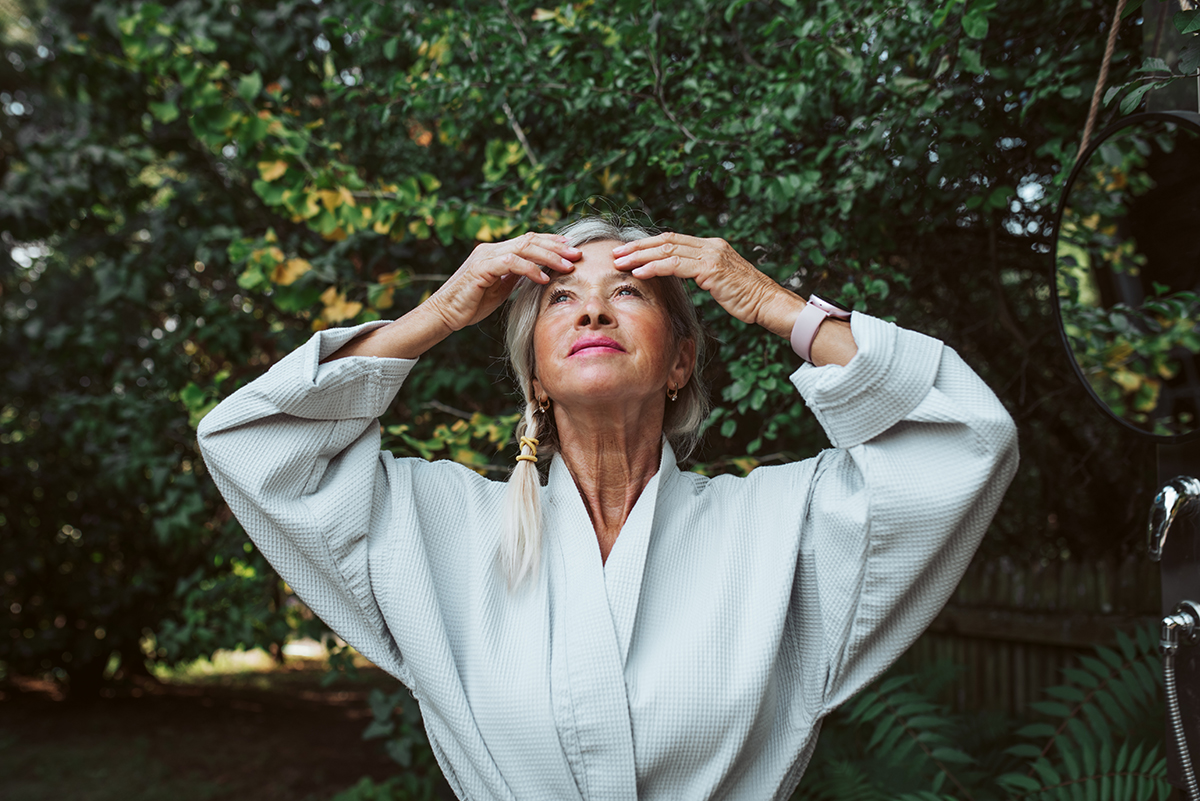
Dr Misra-Sharp says: ‘HRT is not an anti-ageing treatment in the cosmetic sense, but it does address the hormone deficiencies that can make women feel older than they are.
‘By improving sleep, energy, skin elasticity, and joint comfort, it can restore vitality and confidence, which often has a visible effect. This is about restoring function and wellbeing, not reversing natural ageing.
‘HRT replaces the hormones your body no longer produces, alleviating symptoms and protecting long-term bone health. It can make you feel physically and mentally stronger, more energetic, and more comfortable, and those benefits can naturally help you appear more vibrant.
‘It is, however, a medical treatment with potential side effects, so decisions should be personalised after discussion with a GP or menopause specialist.’
These side effects often settle down after three months.
- Breast tenderness (oestrogen effect on breast tissue)
- Bloating or fluid retention (due to sodium-water retention)
- Headaches or migraines (hormonal fluctuations)
- Irregular bleeding in the first months
- Mood changes (sometimes linked to type of progestogen used)
Dr Misra-Sharp says these are more serious risks to consider:
- Breast cancer – a small increased risk with combined oestrogen-progestogen HRT, which returns to baseline 5 years after stopping. No increased risk with oestrogen-only HRT in women without a uterus.
- Blood clots (VTE) – increased with oral oestrogen, but not with transdermal routes (patch, gel, spray).
- Stroke – minimal increase in risk if HRT is started before age 60 and used in the lowest effective dose.
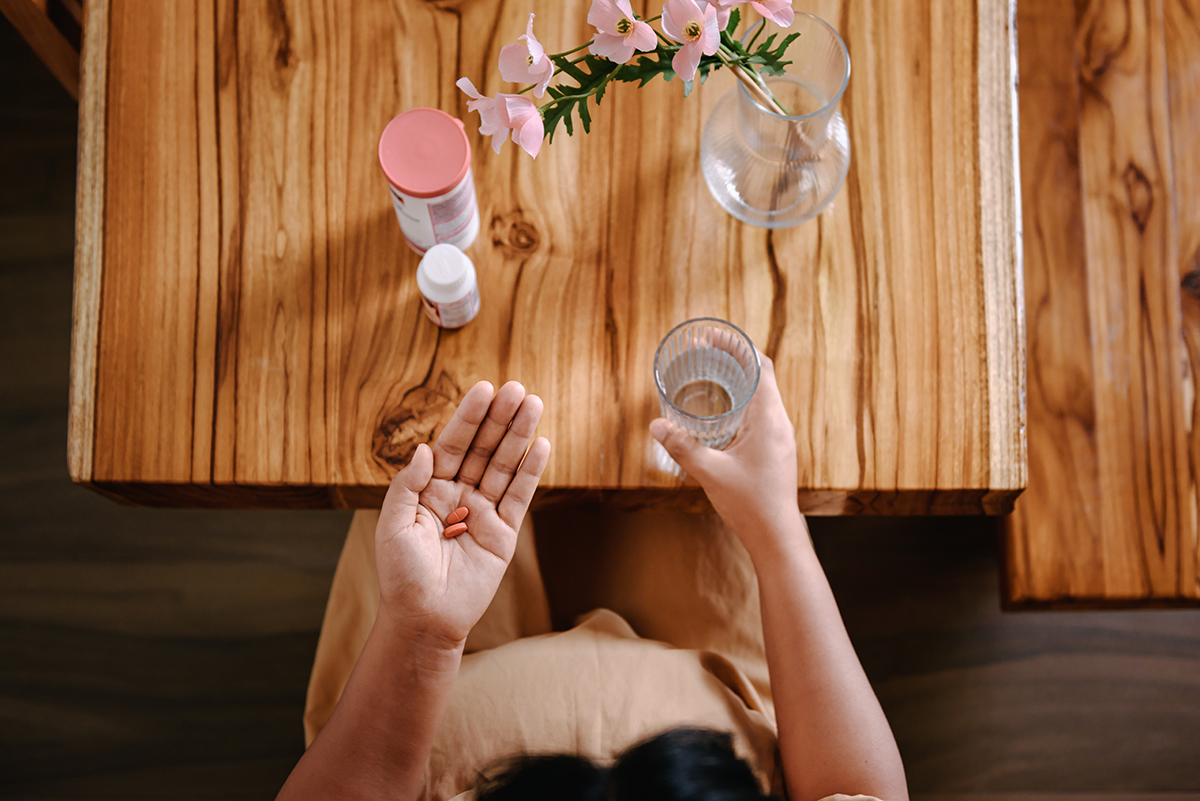
Some studies have sought to find out if there are any effective natural answers which can help as much as HRT.
CEO of SD Wellness, Stefanie Daniels has compiled some of the answers.
- The Women's Study for the Alleviation of Vasomotor Symptoms found a combination of a low-fat, vegan diet and whole soybeans was associated with reduced frequency and severity of hot flashes and improved quality of life in psychosocial, physical, and sexual domains in postmenopausal women. During the 12-week study period, the majority of the participants became free of moderate-to-severe hot flashes.
- The Journal of Menopausal Medicine published the results of a study into the use of evening primrose oil. It found that the herbal remedy was effective in reducing the frequency and severity of night sweats although it had no significant effect on the relief of hot flash symptoms.
- Results from multiple studies indicate that valerian — a tall, flowering grassland plant — may reduce the amount of time it takes to fall asleep and help you sleep better. Of the many valerian species, only the carefully processed roots of the Valeriana officinalis have been widely studied. Valerian can be found in some herbal night-time teas.
- The International Journal of Behavioural Nutrition and Physical Activity reported on a study of menopausal and post-menopausal women. It found that low intensity and moderate intensity exercise helped depression and anxiety linked to menopause saw ‘remarkable’ improvements.
- A study published in the National Library of Medicine found strong evidence supporting the positive impact of pelvic floor muscle training (PFMT) on various aspects of female sexual function, including desire, arousal, lubrication, orgasm, satisfaction, and reduced distress or pain.
Disclaimer: This content is informational and does not replace professional medical advice. Consult a healthcare provider for personalised guidance.
Read more:
