
With the UK police trialling AI-chatbots to answer non-emergency calls; technology isn’t here to leave us anytime soon. And when it comes to using AI in our everyday life, we’re already using its services in ways we may have never imagined in the past.
This is no different when it comes to dating advice. AI services can offer advice and support in our most personal and sensitive parts of our lives.
One user confides: ‘It is cheaper than a counsellor and is immediate. It’s helped me to understand the psychology behind mine and other people’s words and actions. It gets to the point quickly rather than weeks with a counsellor! It gives reassurance that you’re not going mad sometimes! But it can tell you what you want to hear, so you have to take it with a pinch of salt…’
- The rise of menodivorce. Why more women are leaving their partners after 50
- Experts reveal the secrets to boosting your libido today
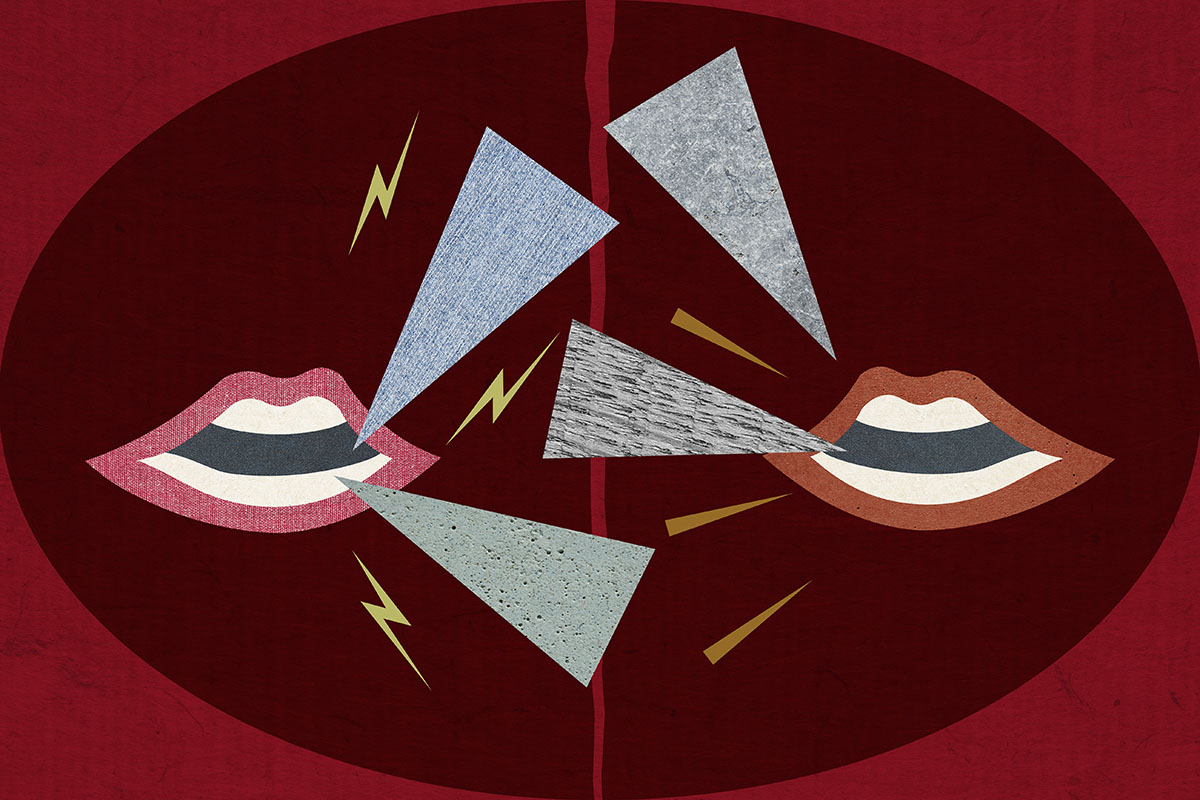
Therapy can be expensive, and turning to family and friends for advice can feel embarrassing or uncomfortable.
Using AI bots to talk to in what we think are scientifically backed, confidential spaces can feel like a tempting solution to reducing our mental health and boosting our emotional wellbeing.
Why pay for the awkward confrontation of admitting your biggest traumas and fears to a human, qualified professional if you can get a response for free at the push of a button online? Unsurprisingly, there’s quite a lot of damage that can be created.
For starters, chatbots are programmed services that are not people. They can’t account for real-world impacts, lifestyle implications, wellbeing concerns or any other factors that may make you ask a question.
That’s not the fault of AI, but it’s why we have qualified professionals we can turn to in real life for advice and support.
That means asking a simple question like ‘how can I get back together with my partner?’ may seem quite straightforward, and you may even get a positive, optimistic answer. Ask that same question to a relationship expert, and they’ll maybe question if the relationship is right for you, or if it’s healthier to move on and find a love that’s longer-lasting.

Chatbots are also tailored to satisfy their customer to complete a service. It’s the same as how a spoon is built to be eaten with, or a hanger is created to hold clothes on.
If you create closed questions to ask that point to a specific answer, a chatbot will celebrate this and make you believe you are correct.
When we use biased, ill-informed advice in our daily lives, we can pay a consequence we never imagined possible. It’s a concern we’ve investigated with Hayley Bystram, relationship expert and founder of matchmaking agency Bowes-Lyon Partnership.

To prove where chatbots get it right, and just how wrong they can be, we asked an AI chatbot three of your biggest relationship worries to see what advice they recommend.
To be sure that your relationship isn’t headed for more arguments or anxiety, we got Hayley to unpack if that chatbot is even worth your typing in the first place.

1. How can I tell if my boyfriend is cheating on me?
Adultery is messy for everyone involved, and someone will usually end up hurt. When you’re suspicious of a partner, jumping to a false accusation can cause more harm than good, and attempting to search for evidence can be just as tricky.
AI says: ‘I’m really sorry you’re feeling this way — wondering if someone you love is being unfaithful can be painful and confusing. While there’s no perfect formula for knowing, there are some healthy ways to understand what’s going on without jumping to conclusions or resorting to spying, which can damage trust or put you in unsafe situations.’
These recommendations include noting changes in behaviour, starting honest conversations and thinking about the overall relationship.
Hayley says: ‘In this answer, I agree that the AI response is right to caution against jumping to conclusions, but it slightly ‘compartmentalises’ and ‘checklists’ what is often a very emotional experience.
‘People don’t usually start worrying about infidelity because they enjoy overthinking; they worry because something in the relationship atmosphere/environment has shifted. So the real question is not “Is my boyfriend cheating?” but “Why am I not feeling secure in this relationship?”, and the real conversation should start there also.
‘I would also agree with discouraging surveillance work! But also counterbalance that with normalising that looking for clarity in a relationship because it is not a moral failing, but is someone seeking reassurance, but it is better to do that through openness and conversation rather than spying and intrusion, so I agree there!
‘Suspicion in a relationship is more often likely to be about disconnection rather than a betrayal, so AI’s answer here is framing the question about cheating as a logical puzzle that can be solved with bullet points, but I would advise being curious about why you feel disconnected and alone in a relationship before jumping to the danger zone of cheating!’

2. Is there a right way to break up with someone?
Having tough conversations about your relationship is never easy, particularly when it feels like it may be time for the relationship to end.
Understanding how to navigate between a salvageable relationship and one best left separated takes a lot of consideration.
AI says: ‘There isn’t one perfect way to break up with someone, but there is a right way for the situation: one that’s honest, respectful, and minimises unnecessary hurt. Here’s a clear, balanced guide that works in almost all circumstances’.
The AI guide includes doing it in person, choosing a neutral setting and allowing the partner to have space to voice their own feelings.
It's a comprehensive guide that may be worthwhile, as Hayley says: ‘Actually, I think this is one of the stronger pieces of advice from AI out of all of them. Giving clarity, not being vague, being kind and taking emotional responsibility are what people often lack during a break-up situation, but they are the qualities and factors that can prevent unnecessary harm.
‘Breaking up with someone in a kind and constructive way doesn’t mean you do things that entirely avoid causing pain because that’s just inevitable in a break-up, but doing it in a way that doesn’t make the other person feel like they’re in a prolonged limbo experience.
‘The only missing factor would be that it takes courage to break up with someone honestly, so keeping that at the forefront of your mind as a guide is something I would add.’

3. What can I do to improve the communication in my relationship?
When communication reaches a stalemate, it can feel like you and your partner are passing ships rather than destined soulmates. The passion feels like it begins to fizzle, or it gets replaced with friction and misunderstandings.
AI says: ‘Improving communication is one of the most powerful things you can do for a relationship — and you don’t need a crisis to start. Here are practical, realistic strategies that actually work for real couples:’
These AI strategies include starting difficult conversations before arguments boil over, being specific rather than vague in chatting and improving your tone and body language.
Hayley says: ‘I think communication can be the solution to the majority of relationship issues – with a partner, a family member, a work colleague etc., it works across the board of relationships basically! But I also think it has a simple universal rule of the old adage of “we have one mouth and two ears”, so speak honestly but listen generously! I don’t think it needs to be more complicated than that personally!
‘Overall, I think AI is very good at producing quite tidy advice, but human relationships are generally not tidy! They are shaped by many emotions, from happiness, fear, vulnerability, safety, enthusiasm, frustration, etc., and AI’s responses are often to ‘checklist’ these messy emotions into a tidy list.
"So, whilst I think the advice is quite logical and can absolutely add reassurance or structure to what can feel like chaos in your mind, I do think that the value of human expertise adds the angle of compassion, understanding and emotion that AI cannot……yet!!’
If you're trying to access support online for more serious or life-threatening issues regarding your relationship, help is always available at:
- Safeline, a charity supporting survivors of sexual abuse.
- Talk, Listen, Change, a charity offering meditation and behaviour change programmes for people healing from abusive relationships.
- Women’s Aid, an organisation protecting women and children from abusive relationships.
- Let Me Know, a charity teaching children and young people how to identify safe and unsafe relationships.
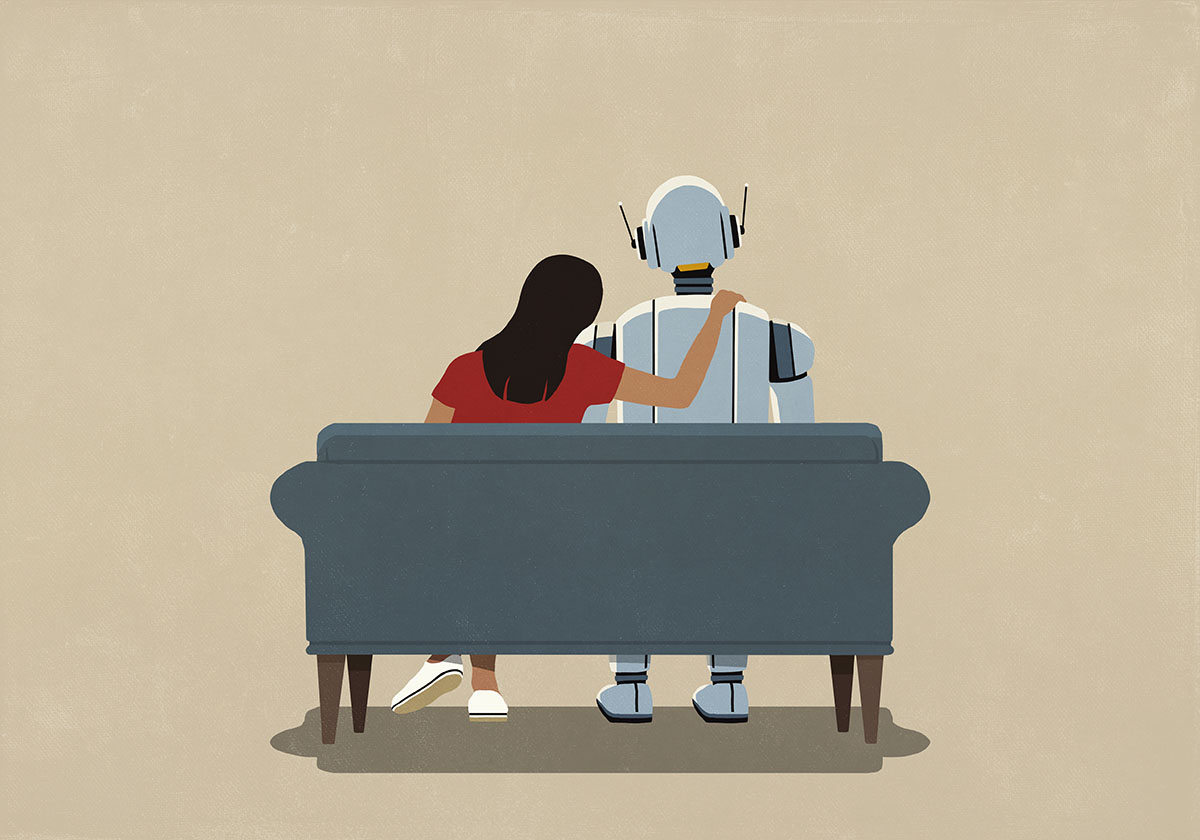
How to get advice you can trust
Knowing who to talk to about your relationship can feel like a minefield. But it doesn’t have to be intimidating.
A safe source for advice can come in many different forms in our lives, but here are some of our recommended people to turn to if you need help:
- Family & Friends – Sometimes starting that first difficult conversation
- Doctors, GPs & Therapy – Seeking professional help doesn’t have to be shameful or scary, but it can be a key part of protecting your mental health if you’re in a difficult relationship and need to chat with a medical professional to offer guidance.
- Support Groups – If you’re feeling unsure or worried, chances are that there are other people who feel the same confusion. Joining a support group can be a great way to find a community of people to help you and understand what you’re going through.
Read more:
