
The rise of menodivorce. Why more women are leaving their partners after 50
In recent years, the UK has witnessed a surprising trend: while overall divorce rates are declining, an increasing number of couples over 50 are opting to split up.
Often referred to as ‘menodivorce,’ or ‘grey divorce’, this shift highlights changing attitudes among older generations regarding marriage and personal fulfilment.
We asked relationship therapist Shelly Dar why more couples are choosing to call it a day after 50, and what can be done to save the relationship before the divorce lawyers are called in.
- Divorce lawyer reveals the 6 signs your marriage is over
- Sex coach reveals the most common problems clients ask about - and how to fix them
What is menodivorce?
Menodivorce, also commonly known as grey divorce, is often defined as divorce that occurs after the age of 50. These individuals have often been married for many years or decades, but ultimately decide to split during their later years.
According to the Office for National Statistics in 2021, women initiated 63.1% of divorces among opposite-sex couples in the UK, and with the trend for divorces in the over-50s, people are sometimes connecting the changes that happen during menopause with the rise in couples separating.
Why an empty nest may lead to a marriage split
Couples may find that once their children no longer live at home, they have little in common outside of their parental roles. This can make it hard to find closeness and connection, leading many to seek fulfilment outside their relationship.
‘For many couples, the children have been the source of their connection,’ says relationship and wellness therapist Shelly Dar. ‘When the kids are gone, some couples realise they have drifted apart and no longer have shared interests or a strong connection.’
Dar says, ‘You might have stayed together for the kids, put your personal goals on hold, or drifted apart without even realising it. When the day-to-day demands of parenting disappear, the silence that follows can be both freeing and overwhelming.’

Financial issues may also be to blame
Dar says arguments over money can become more pronounced as couples near retirement age.
‘It becomes harder to find common ground and maintain the peace, as people contemplate leaving the workforce. Retirement plans may hang in the balance when a couple's financial behaviour and goals are out of sync. Ending the relationship may sometimes seem like the only way to resolve such differences.’
Chronic illness may lead to marital splits
The vows say, ‘in sickness and in health,’ but some health challenges, like a serious chronic illness, can majorly strain a relationship.
Notably, research indicates there is a gender disparity in how health problems affect couples. Studies reported a higher divorce risk if the wife develops a chronic illness, whereas men who become disabled or ill do not face the same level of risk.
A report in the Journal of Health and Social Behaviour analysed the divorce rate in older couples when either spouse was critically ill, from a sample of 2,701 marriages. The results showed that the onset of illness in the wife was linked with a greater risk of divorce, but the onset of illness in the husband was not.
Researchers didn’t have a hypothesis for this phenomenon, but some have speculated that sometimes, when typical gender roles are flipped, some men have difficulty with the emotional and physical demands of caregiving, a fear of abandonment and isolation, and the stress of shifted roles can lead to resentment.

What we consider a ‘healthy’ marriage may have changed
Dar says that our expectations for what we consider a healthy, satisfying marriage have changed over time.
‘Today, couples are more likely to place a greater emphasis on how the relationship makes them feel, including whether it contributes to their overall happiness and fulfilment. Older parents often find that they are emboldened by seeing their children walk away from unhappy relationships, something that they perhaps didn’t have the courage to do when they were younger.’
Societal changes have lessened the stigma of divorce
Older adults were often raised with the expectation that they would marry, have children, and grow old together. Today, many now recognise that there is no one-size-fits-all path to a happy life, and women have more freedom and financial independence to past generations.
Dar explains, ‘In the last 50 years, women have gained greater economic independence and have held and maintained their own careers. This has created more options for women on many fronts, including deciding to divorce.’
Dar notes that other factors such as increased life expectancy have also played a part.
‘With increased life expectancy, many women look down the road at what remains of their life and think, 'Why would I want to spend these years in an unhappy marriage?’ and it makes them consider whether they might be better off without a partner,’ she adds.
One study found that attitudes toward divorce have become more supportive among people over the age of 50. Reduced stigma around the idea of divorce may also lead people to choose to leave rather than stay in an unsatisfying relationship.
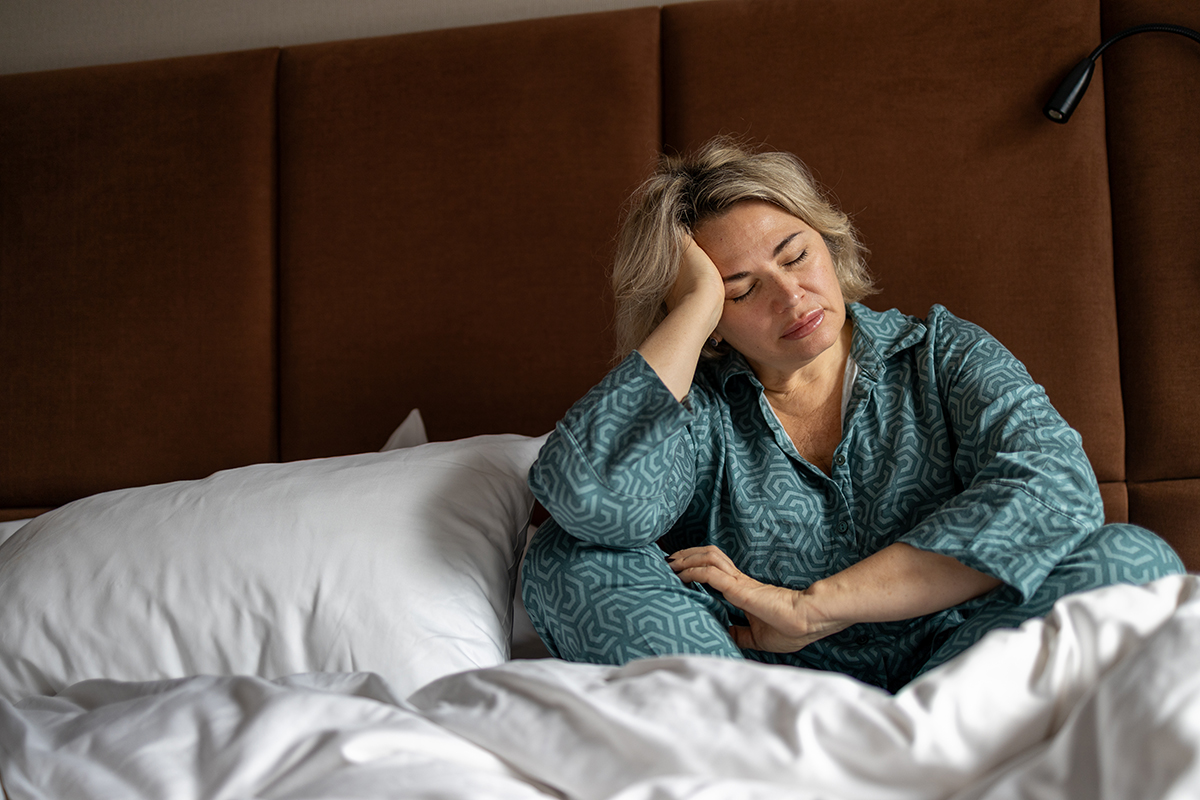
Do hormones play a part in the rise in over 50s divorces?
‘Do I hate my partner, or am I just hormonal?’ is a question Dar hears a lot in therapy.
‘People often find themselves experiencing relationship issues when they are going though hormonal changes such as menopause because they no longer feel connected to themselves or their partner,’ says Dar.
Hormonal changes don't just affect the body; they also impact mood, cognitive function, self-perception, and overall well-being. Women going through this transition often experience:
- Anxiety and mood swings that can feel overwhelming and unpredictable
- Depression that may be entirely new or more severe than previously experienced
- Loss of self-confidence as they navigate changes in their body and identity
- Difficulty accepting bodily changes that can affect intimacy and self-image
- Sleep disturbances that compound emotional and physical stress
- Cognitive changes that might affect decision-making and communication
‘Menopause can be linked to depression, which creates a fog around us that does not allow us to see or feel clearly, which can cause us to feel that no one loves us, we feel or don’t have the energy to love and give, or feel overall numb and disconnected. I have spoken to women who, when going through the menopause, found that everything their partner did was annoying, with one even saying her husband’s breathing, that she’d heard daily for more than 25 years was suddenly sending her into a rage.’
Dar often sees transformational mood changes in menopausal women who receive hormone replacement therapy (HRT).
She says, ‘It’s not a magic bullet, but many women I have spoken to have been diagnosed with depression, and put on antidepressants, when they actually needed HRT. If you’re perimenopausal, or menopausal and have noticed a significant mood shift, it’s worth speaking to your GP about hormone therapy, before starting antidepressants.’
The warning signs of menodivorce
Dar says the warning signs of a menopause-related divorce often include a loss of physical intimacy, increased arguments and lack of communication, and emotional changes like irritability, anxiety, and depression.
‘A partner's lack of understanding and the menopausal woman feeling a loss of self-confidence are also key indicators that a relationship is under strain,’ says Dar.
Complacency is a major thing to look out for, according to Dar.
‘Couples who have been together for years may become comfortable in their relationship, forgetting to prioritise their spouse without even realising it,’ says Dar. ‘Your interests, values, and life aspirations change as you age. This can leave you lonely if you do not consistently communicate with your spouse about these changes.’

How to avoid menodivorce
Assuming you wish to work on the relationship, it's important to have an honest and open discussion.
Dar says, ‘Be prepared for a tough, emotional conversation. Being authentic about how you're feeling or how you are perceiving their actions is never easy, but it is a key first step toward potential repair.’
Dar advises that if you're unhappy in your marriage, don't threaten divorce unless you're genuinely serious about it.
Rather, focus the conversation on what you both need and want from your relationship now and in the future that you're not currently getting, and try to identify together what might be happening.
‘Are the good parts of the relationship greater than the bad? Imagine how your relationship was when it first started and pinpoint what has changed,’ Dar advises. ‘This can help you to understand if the relationship could be fixed by putting in effort like you used to once the relationship was fresh.’
After reflecting and talking it out – sometimes multiple conversations and a bit of time are necessary for meaningful change to occur – the next steps could include seeking professional marriage counselling advice.
An expert specialising in couples therapy can help couples decide whether reconciliation is possible or if divorce is the right path.
Read more:

