
23 things you probably don’t know about your testicles
Testicles are the unsung heroes of the male reproductive system. They hang out quietly, doing their essential jobs, mostly out of sight and mind.
But these small, oval-shaped organs are packed with fascinating biology, surprising quirks, and important functions that affect your health, fertility, and even your mood.
While testicles get mentioned in jokes and occasional medical check-ups, much of what people “know” about them is incomplete or just plain wrong.
From their unique temperature control system to how they influence your hormones and emotions, testicles deserve a closer look.
Here’s a numbered deep dive into 23 things you probably didn’t know about your testicles – the small but mighty powerhouses you definitely want to know better.
- The deadly change to your semen you should never ignore
- These are the key warning signs your gut health needs attention (and fast!)
1. Testicles are outside of the body for a reason
Unlike most organs, testicles are housed outside the abdomen in the scrotum because they need to be a few degrees cooler than core body temperature to produce healthy sperm.
The ideal temperature is about 34–35°C (93–95°F), and the scrotum’s unique muscles contract or relax to keep things just right.
2. Each testicle is packed with hundreds of feet of tubing
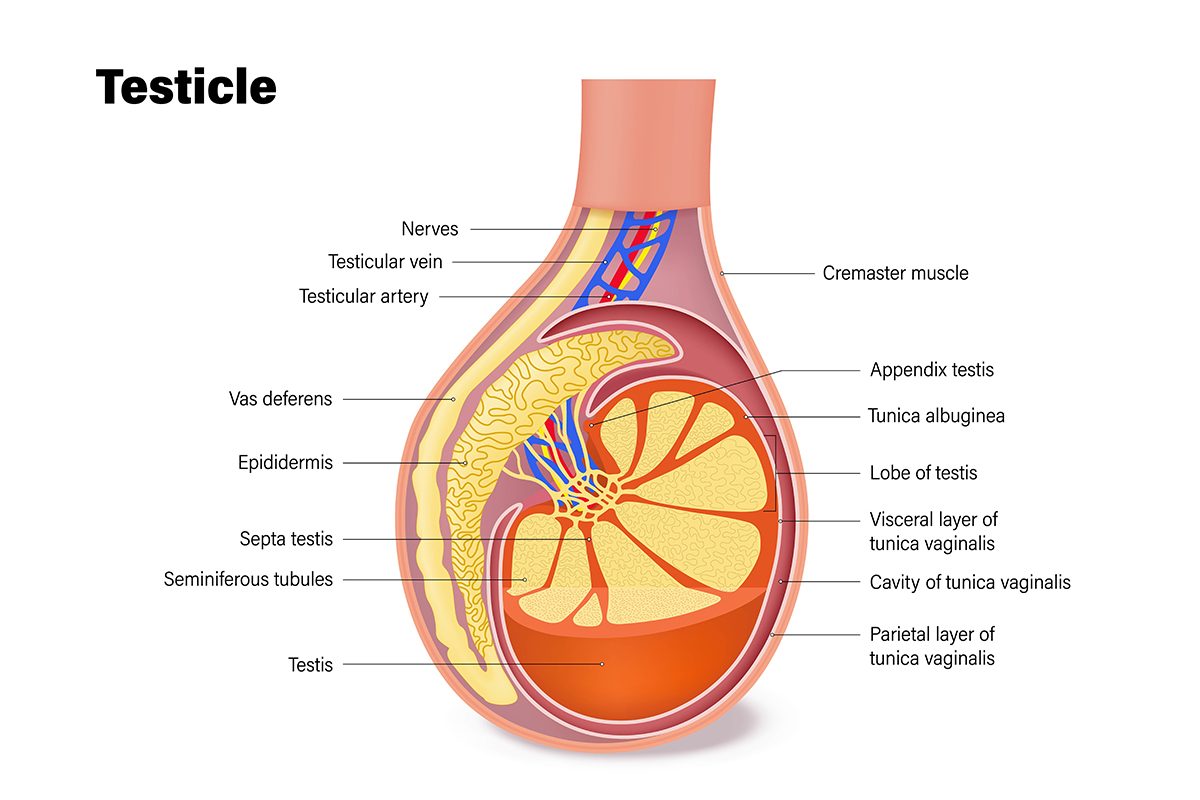
Inside each testicle, there are approximately 600 feet (180 metres) of tiny, coiled seminiferous tubules where sperm are made.
These tiny tubes are so long and densely packed that if you stretched them out, they’d fill a whole football field!
3. Testicles produce two essential things
While sperm production is their headline act, testicles are also the body’s primary source of testosterone, the hormone responsible for male secondary sexual characteristics like deep voice, facial hair, muscle mass, and libido.
4. Sperm production is a marathon, not a sprint
Sperm take about 64 days to fully develop inside the testicles. Then, they spend several more days maturing in the epididymis before they’re ready to travel. That’s why lifestyle changes take time to impact sperm quality.
5. Testicles are sensitive…
The testicles have lots of nerve endings, making them extremely sensitive to touch or injury. That’s why a sudden knock hurts so much.
However, normal daily sensations usually don’t cause discomfort, and persistent pain should always be checked by a doctor.
6. It’s normal to be lopsided
If you notice one testicle hangs lower or is slightly bigger than the other, that’s perfectly normal and common. This asymmetry helps prevent injury and allows for better temperature regulation.
7. Testicles can actually shiver
The cremaster muscle contracts and relaxes to move the testicles closer to or farther from the body in response to temperature changes or stress, kind of like a built-in thermostat and reflex protector all in one.
8. Testicular size varies (and doesn’t predict fertility)
There’s a broad range of “normal” when it comes to testicle size, and size alone doesn’t determine fertility or hormone levels.
Small testicles can produce plenty of healthy sperm, and large ones aren’t always better.
9. They have a rich blood and lymphatic supply
They’re supplied with blood through the testicular arteries, which run all the way from the abdomen down the spermatic cord.
This extensive network ensures nutrients and oxygen get to the sperm-making factories, while lymph vessels help drain waste.
10. Varicoceles are the varicose veins of your testicles
A varicocele is an abnormal enlargement of veins within the scrotum and is quite common and affects about 15% of men. While often harmless, varicoceles can sometimes cause discomfort or impact fertility.
11. Testicular cancer is rare but treatable
Testicular cancer is uncommon but most common in younger men aged 15-35. Early warning signs include a painless lump, swelling, or heaviness in the scrotum.
Regular self-exams can catch issues early when treatment is highly effective.
12. They have a quiet ‘sidekick’
Attached to the back of each testicle, the epididymis is a tightly coiled tube where sperm mature and gain the ability to swim. Without the epididymis, sperm wouldn’t be ready for their journey.
13. Testicles play a role in your mood and energy
Testosterone produced by the testicles influences more than just physical traits, it also affects mood, energy levels, cognitive function, and even risk-taking behaviours. Changes in testosterone can impact mental health.
14. Sperm are created continuously, not in cycles
Unlike menstrual cycles in people with ovaries, sperm production is ongoing throughout a man’s life, though it gradually decreases with age.
15. Tight clothing and heat make a difference
Wearing tight underwear or exposing testicles to heat (like hot tubs or laptops on laps) can temporarily reduce sperm quality by raising scrotal temperature. Wearing looser clothing and avoiding excessive heat can help.
16. They stop your body wanting to attack your sperm
The testicles have a special barrier formed by Sertoli cells that protect developing sperm from the immune system, which otherwise might attack these “foreign” cells.

17. Testicles can contract during orgasm
During orgasm, the cremaster muscles contract rhythmically, helping propel sperm through the reproductive tract. This reflex also helps protect the testicles during physical activity.
18. Cryptorchidism happens before birth
Sometimes, one or both testicles don’t descend into the scrotum before birth, which is a condition called cryptorchidism. This can affect fertility and increase cancer risk, but early treatment typically resolves the issue.
19. Testicles are incredibly resilient
Even if one testicle is lost or damaged, the other can usually compensate, maintaining hormone production and fertility. Still, protection and awareness are important.
20. Testicular torsion is an emergency…
This occurs when the spermatic cord twists, cutting off blood supply to a testicle. It causes sudden, severe pain and requires urgent surgery to save the testicle.

21. Testicular size peaks in early adulthood
Testicles grow during puberty and reach their largest size by the early 20s. After that, size usually remains stable, but sperm production efficiency can slowly decline with age.
22. Your brain talks to your testicles
The hypothalamus and pituitary gland in the brain send signals to the testicles to produce testosterone, creating a feedback loop that keeps hormone levels balanced.
23. Regular self-checks are a smart habit
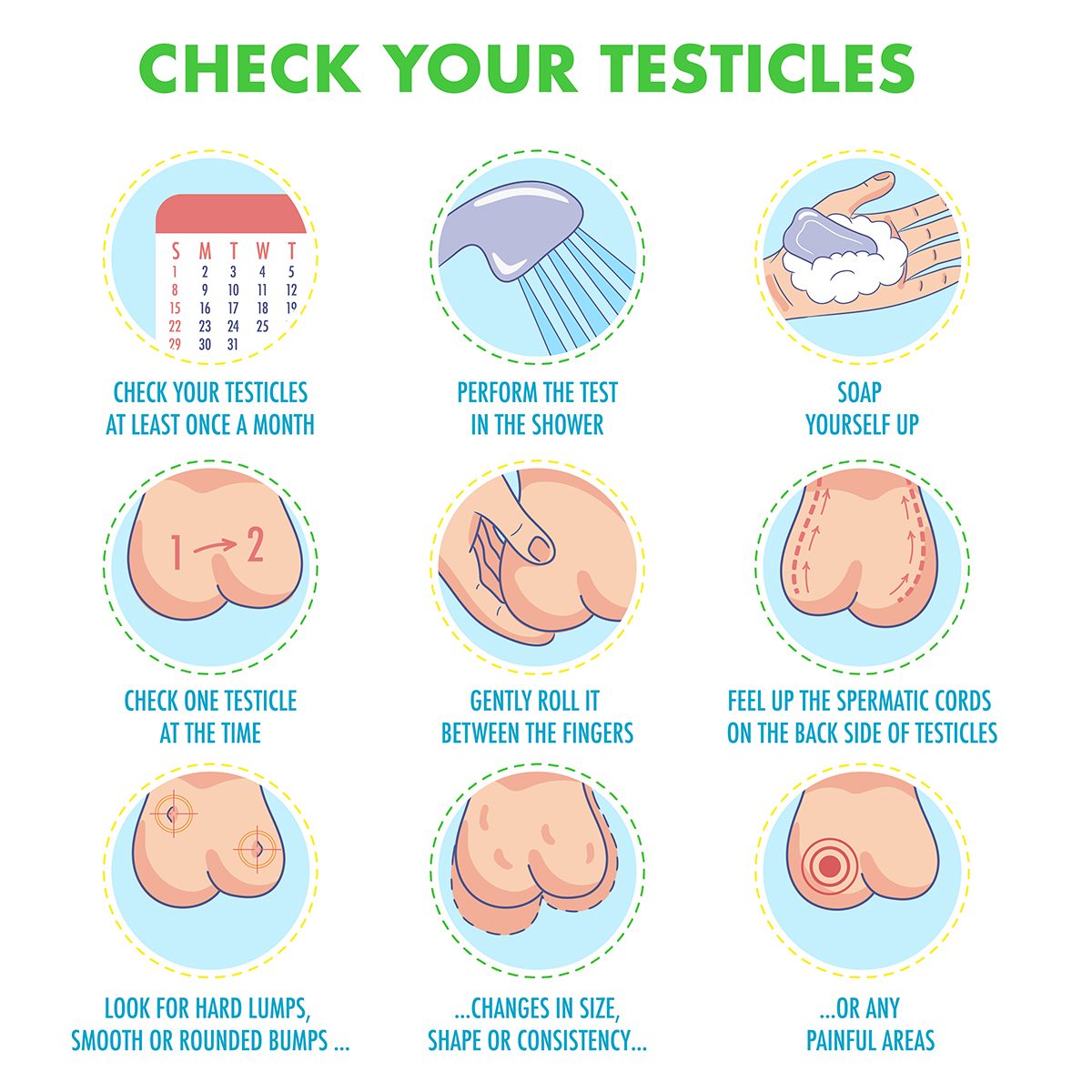
Just like checking your skin for moles, regularly feeling your testicles for lumps or changes helps catch problems early. It only takes a few minutes and can be done during a shower or bath.
Quick testicular self-check guide
Performing a regular self-check helps you catch any unusual changes early. Here’s how to do it in just a few minutes:
1. Choose the right time
- The best time is during or after a warm bath or shower when the scrotum is relaxed.
2. Examine each testicle separately
- Hold your penis out of the way.
- Gently lift the scrotum to inspect each testicle individually.
3. Use both hands
- Place your index and middle fingers under the testicle with your thumbs on top.
- Roll the testicle gently between your fingers and thumbs.
4. Know what’s normal
- Testicles are usually oval-shaped and smooth.
- It’s normal for one testicle to be slightly larger or hang lower.
- Feel for the epididymis, a soft, tube-like structure at the back of each testicle. This is normal.
5. Look for changes
- Hard lumps or nodules.
- Changes in size or shape.
- Swelling or unusual heaviness.
- Pain or discomfort that doesn’t go away.
6. Don’t panic
- Most lumps or changes are not cancer but should be checked by a healthcare professional promptly.
- If you notice anything unusual, book a doctor’s appointment as soon as possible.
Remember: Monthly checks make you familiar with what’s normal for your body and give you peace of mind.
Read more:
