
Beat the autumn slump by eating these ultimate gut health foods
You know the feeling. Summer has gone, the warm sun feels a distant memory and the nights are drawing in. With that comes a feeling many describe as ‘meh’, or ‘urgh’ – yes, you’re in the autumn slump. But it isn’t just because of the cooler weather or darker days. Experts say our gut is undergoing changes too.
Amy Savage, Nutritionist at amysavagenutrition.com says: ‘Our gut microbiome is always evolving and changing with the seasons. This is influenced by what we eat, how much sunlight we get, our activity levels, how much time we spend outdoors and even travel.’
Dr Sammie Gill, Registered Dietitian and BDA Media Spokesperson says: ‘Light signals wakefulness. Dark signals sleep. This light-dark cycle aligns with your own 24 hour sleep-wake cycle – called your circadian rhythm (aka your body clock).
‘Light enters your eyes during the day and suppresses the release of melatonin – a sleep hormone that signals to the body that it is time to go to sleep.
‘In autumn, the days start to get shorter and darker, resulting in less light entering your eyes. This signals to your brain’s pineal gland to produce melatonin for longer which can leave you feeling more tired or sluggish. Studies have shown people sleep longer during the winter months compared with the summer months. What’s more, your gut microbiome follows a 24-hour cycle too – studies have shown that the composition and function of gut microbes rhythmically change throughout the day.’
- What your poo says about your health. Learn how to read the warning signs
- Why your joints ache more in the cold and what you can do about it

So what IS gut biome?
Katie Morley, nutritionist at children’s gut health company albahealth.com says: ‘The gut microbiome refers to the trillions of microorganisms – including bacteria, viruses, and fungi – that reside within our digestive tract, creating a complex ecosystem that's unique to each individual. This intricate community of microbes plays a pivotal role in our overall well-being, influencing nearly every aspect of our health in ways we're only beginning to fully understand.
‘Supporting a healthy gut microbiome can yield numerous benefits, potentially improving digestion, mood, and cognitive performance, whilst also bolstering immune function, supporting healthy weight management, and maintaining balanced energy levels throughout the day.
‘Research shows that the balance of bacteria in the gut can shift between summer and winter. In the warmer months, we often eat more fresh fruits, vegetables, and fibre rich foods, which support bacteria that produce short-chain fatty acids (important to support our gut lining and reduce inflammation). In winter, diets can lean more towards heavier and starchier foods, which can favour different microbial groups.’
Dr David Ghozland is an obstetric gynaecologist as well as an expert in regenerative medicine. He says: ‘Having examined 3,000 patient files, I noticed that there was something that stood out: all the women who had the issue of fall tiredness had the gut problem. The number of their good bacteria declined 35 percent between August and October. It is not the crash of your energy that is caused by age or the change of the seasons.
‘Your gut actually prevents the chemicals that your brain uses to make you alert. I began to monitor this trend seven years ago, and I recorded all the stress hormones up to brain chemicals. The women who remained energized are those who did not do one thing in the same way, they began to feed their gut bacteria prior to the die-off occurring.’

‘The issue everyone is too secretive about is that your stomach produces 20 percent less of acid when the days get shorter. The majority of the population reacts to this by consuming larger portions hence exacerbating the situation. I invented my personal energy clock that I have used with my patients: I would have them eat their heaviest meal between 11 am and 2 pm when the stomach was strongest. Bone broth or sauerkraut is what to do after 6 pm. This timing will save the 3 pm crashes that crash like a brick wall in November. Eat, not full. Your fall digestion is less strong than that of summer, and that additional meal will wear you out.
‘The largest discovery I made was that of what bacteria actually grow in cold weather. There are two particular types, Lactobacillus rhamnosus and Bifidobacterium longum, which are expected to increase with lower temperatures. These strains are starved by most of the contemporary diets. I began prescribing Jerusalem artichokes and dandelion root to patients, which you will never hear about on the wellness portals of the average wellness propagandists who are pushing the same summer supplements all year round.
‘In less than two weeks, patients state that they feel more awake than they were months before. Your fall gut and your summer gut are different. Work with it, not against it.’
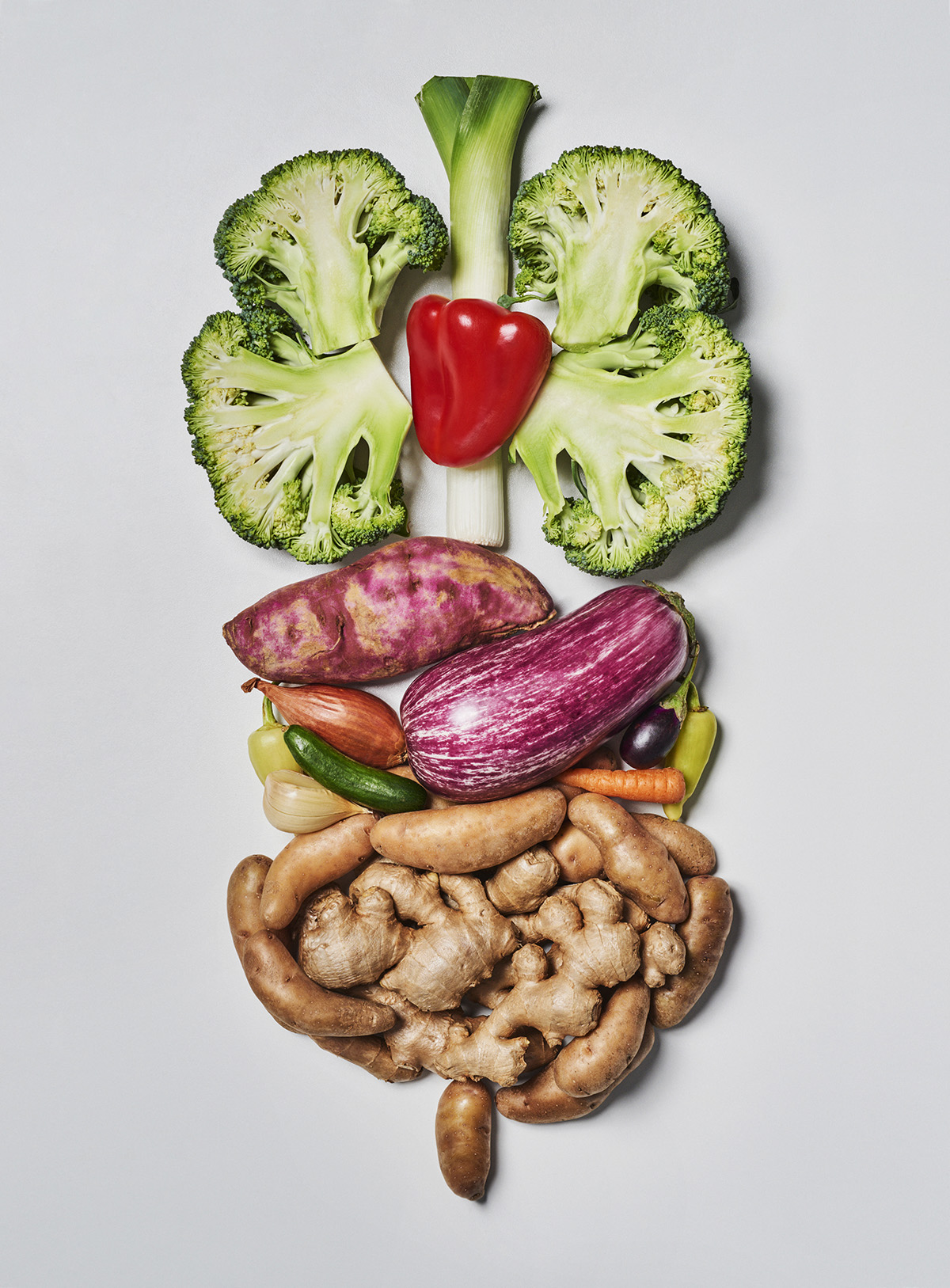
So do we need different ‘good’ bacteria as seasons change?
Amy Savage says: ‘We don’t necessarily need different bacteria each season, but the variety of foods we eat helps different microbes thrive at different times of the year. Think of it a bit like a garden: some plants flourish in summer, others in cooler months. What matters most is diversity and the more variety in your diet year-round (fruits, vegetables, legumes, nuts, wholegrains), the more diverse your gut microbiome will be through seasonal changes.
‘Seasonal changes in the microbiome may also play a role in energy and mood. Some studies suggest microbial diversity dips in colder months, which could influence how efficiently we extract energy from food and regulate inflammation. Add in shorter daylight hours, less vitamin D, more time indoors, and higher stress during busy holiday periods, energy and mood can feel lower in winter. Supporting the gut with fibre-rich foods, fermented foods (like sauerkraut or kimchi), and good sleep can help maintain balance.’
So what should we avoid?
Katie Morley says: ‘Our dietary patterns tend to shift significantly during autumn, as we naturally gravitate towards heartier, starchier meals to help us stay full and warm. While these comfort foods can increase levels of bacteria associated with carbohydrate digestion and immune support, there's a potential downside.
‘When we rely heavily on the same types of starchy and warming foods whilst simultaneously consuming fewer fibre and polyphenol-rich options - such as fresh seasonal fruits and vegetables – this dietary shift may reduce our overall gut diversity, which could contribute to that autumn lethargy.’

‘For optimal gut health, it's advisable to limit ultra-processed foods, which are typically high in calories, sodium, added sugars, and various additives that can disrupt the delicate balance of our gut microbiome. Similarly, refined sugar, fried foods, and refined grains should be consumed sparingly, as they can promote the growth of less beneficial bacteria whilst providing little nutritional value.
‘Artificial sweeteners, despite being calorie-free, can also negatively impact gut bacteria diversity. Additionally, excessive consumption of saturated fats and alcohol can contribute to gut inflammation and reduce the abundance of beneficial microorganisms, so moderation is key with these food groups.’
But it’s about reduced daylight and increased bugs, too
Dr Megan Rossi, Research Fellow at King’s College London and is the founder of The Gut Health Doctor, The Gut Health Clinic, Bio&Me and SMART STRAINS®. She says: ‘Eating habits also tend to shift towards heavier comfort foods, often higher in ultra-processed ingredients. These can leave you feeling sluggish and even contribute to digestive issues such as constipation if you’re eating less fibre-rich plants. On top of that, autumn and winter bring an increase in cold and flu viruses, and when your immune system is working harder to fight off infections, it can drain your energy reserves.
‘Shorter days also mean less light exposure, which disrupts your circadian rhythm, the body’s natural sleep–wake cycle. It takes time to adjust to darker days, and this affects not only your melatonin levels (the hormone that regulates sleep), but also your gut microbes, which follow a circadian rhythm too.
‘Your gut microbes thrive when you feed them a variety of high-fibre, plant-based foods. But in the colder months, you find yourself reaching for fewer fresh, fibre-rich foods, which can reduce the diversity of your gut microbiome. With fewer ‘good’ anti-inflammatory microbes being nourished as a result, their ability to support your health is limited, a bit like a team with fewer skilled players. ‘A drop in physical activity can also negatively affect your microbial diversity, adding to the challenge, as exercise has been shown to support a more diverse gut microbiome, independent of diet. Plus, with around 70% of your immune system living in the gut, as it ramps up to defend against seasonal viruses, you may notice the impact on both your digestive system and energy levels.’

So what SHOULD we be eating?
‘Focus on plant-based foods including legumes, nuts, seeds, wholegrains, fruit, vegetables, herbs and spices,’ says Sammie Gill. ‘Plant-based foods are uniquely packaged with nutrients known to support the gut microbiome including different types of fibres (such as prebiotics) and plant chemicals (such as polyphenols),as well as vitamins and minerals.
‘Keep things easy and simple. For example, add a tin of legumes to any pasta-based dish or load up a pizza with vegetables. Include plant-based snacks during the day such as a handful of nuts or dried fruit, popcorn, or nut butter on wholemeal crackers.’
Dr Megan Rossi adds: ‘Even if fresh produce isn’t always available, you can stock up on frozen options like mixed berries or mango, and even mixed green veggies or cruciferous veggies like cauliflower. They’re just as nutritious, and the mixed variety in particular will quickly help boost the variety of plants in your diet. This might mean topping your morning porridge with mixed berries, or blending hidden veggies into your pasta sauces.
‘Comforting foods can still work in your favour, too. Legumes such as beans, chickpeas and lentils are packed with fibre and are an easy addition to the likes of pasta dishes, soups, and stews. Aim to get as much plant diversity as possible, as different fibres feed different microbes, giving you that skilled team of players to support all aspects of your health.
‘Plus, hitting your 30g of fibre a day helps nourish your gut bacteria so that they can produce anti-inflammatory chemicals that support your immune system, strengthen your gut lining, and even help keep your bowels regular.

And do we need supplements?
Sammie Gill says: ‘Food supplements can be helpful when used correctly in the right scenarios. For example, psyllium husk (a fibre supplement) serves a dual purpose – it can be helpful for both constipation and diarrhoea. Psyllium is a soluble, viscous fibre that forms a gel in the gut which can soften hard stools and firm up loose stools.
‘Probiotics can be useful in helping to manage symptoms of irritable bowel syndrome (IBS). There is also evidence for probiotic use in the prevention of traveller’s diarrhoea. But it’s important to be prescriptive and choose a probiotic that has scientific evidence for the condition or symptom you’re hoping to target.
‘A vitamin D supplement (10mcg) is recommended, particularly from October to March when there is lower exposure to sunlight. Vitamin D has been shown to influence gut microbiome composition and support gut-barrier function.’
Dr Megan Rossi says: ‘For greater immune support when you need it, there is good scientific evidence for a specific combination of live bacteria – Lactobacillus rhamnosus GG (LGG) and Bifidobacterium BB-12. Randomised controlled trials have shown that this exact formulation (at a dose of 20 billion) can reduce the duration of colds and flu by around two days, and cut the severity of symptoms by more than 30% compared with placebo, which is why you’ll find it in SMART STRAINS for your immune system. ‘Don’t overlook the impact of vitamin D either. The NHS recommendation for vitamin D is 10 micrograms a day during the autumn and winter months. It plays a key role in bone health, gut health, immune support and fall prevention.’

Read more:
