
Make this one change to your morning shower and lose weight quicker
A cold dip may be your idea of a nightmare, but there are legions of cold-water enthusiasts who brave the waves in all weathers, even in winter. The practice is lauded for its alleged health benefits, which range from improving mental health to easing muscle soreness. Be warned, though, it’s not without risks.
If you have an underlying heart condition, cold water therapy may not be safe. Research by Mike Tipton, a physiology professor at the University of Portsmouth who has been studying the effects of cold water on the body for 40 years, shows that breath-holding before entering cold water significantly raises the risk of a heart attack. Before you take the plunge, read on to find out more about cold water therapy.
- 8 surprising habits that leading experts insist will improve your health, happiness and libido
- Slept 8 hours but still tired? Expert explains the worrying reason why
What is cold water therapy?
Cold water therapy involves exposing your body to cold water for health benefits and a sense of well-being. It’s a practice that’s been carried out in many cultures for centuries. In Russia, pouring a bucket of ice water on oneself is thought to build mental fortitude and prevent diseases. In Scandinavian countries, the combination of a sauna and an ice-cold plunge has been practised for over 1,000 years.
In recent years, it’s become fashionable in the UK, with Tipton noting that his local cold-water swimming group in Cornwall has grown from 25 members to over 1,000. ‘I’ve seen people in tears telling me how much it has transformed their lives,’ he says.
There are different ways to try it, including taking a cold shower, swimming outdoors in an unheated pool, lake, river, or the sea, or getting into an ice bath or a cold plunge pool in a spa or gym. It's best to use cold water therapy under a healthcare professional's guidance if you're using it to recover from an injury, improve your athletic performance, or alleviate pain.

How cold water therapy works
Immersing yourself in cold water may affect the body through a few different mechanisms:
Vasoconstriction: When you're cold, your blood vessels constrict, or narrow. This process, known as vasoconstriction, may help reduce inflammation.
Hydrostatic Pressure: The gentle pressure water exerts on your body (known as hydrostatic pressure) similarly reduces pain and swelling, while boosting blood flow to the heart, says physical therapist Sean Carpenter.
Vasodilation: When you warm up after a cold plunge or shower, blood vessels expand (vasodilation), Carpenter says. When that happens, the oxygen- and nutrient-rich blood gets pumped back to your tissues.
Nervous System Stimulation: Entering frigid water prompts the brain to release endorphins — the same happy chemicals you get from a good workout. It also activates the sympathetic nervous system, stimulating a rise in dopamine (the ‘happy hormone’) and a decrease in stress hormone cortisol.
How cold does the water need to be?
Most experts believe the water needs to be between 10 and 15 degrees to be beneficial, although the science is inconclusive on whether more health benefits are accrued at colder temperatures.
Tipton says the science does not support any benefits in going much colder than between 10-15 degrees. ‘The cold shock response peaks somewhere between 10-15 degrees, which is a good reason for saying don’t go into colder water as you won’t necessarily get any greater benefit and there are much greater hazards,’ he says.
Types of cold water therapy
There’s more to cold water therapy than taking a dip in the ocean, with many more ways to get your fix.
- Cold water immersion: This can be swimming in a cold sea, river, lake or pool or just a quick dip or splash in the water.
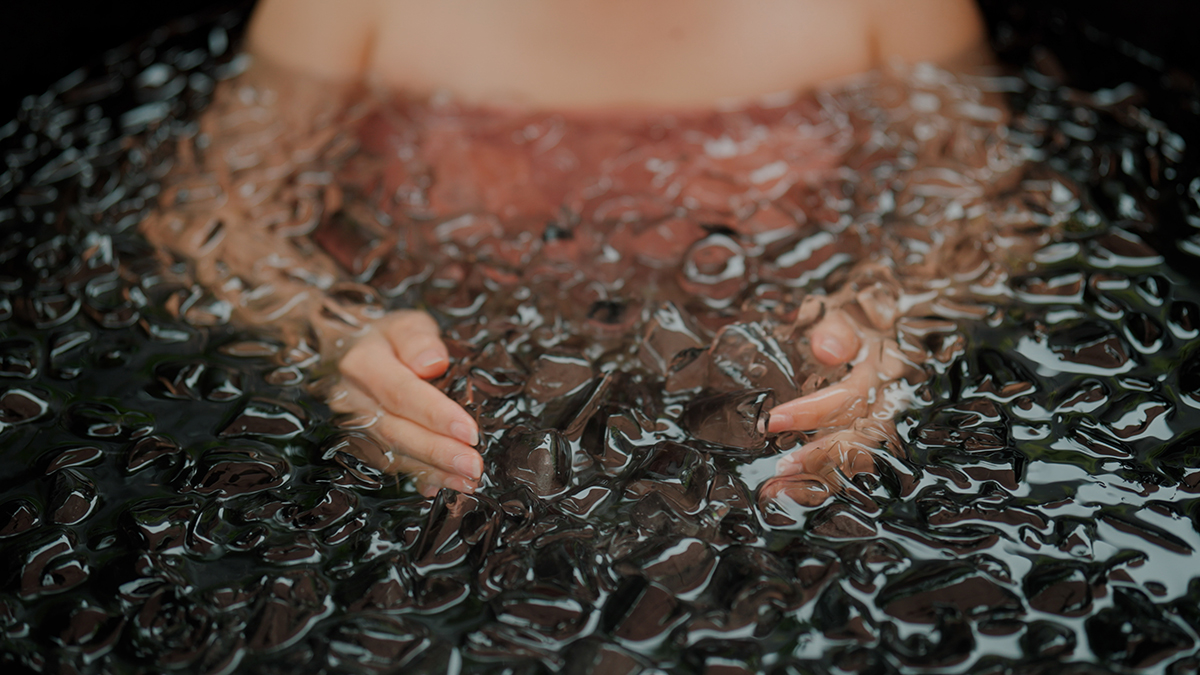
- Ice baths: Ice baths are popular with athletes to relieve muscle soreness and swelling. They’re also popular with some celebrities as a wellness aid, and are often found outside the new generation of beach saunas.
- Cold showers: Having a cold shower or switching your shower to cold water at the end of it is a good way to start getting used to cold water. One Dutch study found that people who took a daily cold shower (after a warm shower) were off work with self-reported sickness 29% less than those who had a warm shower only.
The health benefits of cold water therapy
Is cold water therapy good for you? Many people report that it is invigorating and feels good, improving their mental and physical health. However, the science is inconclusive.

Impact on mental health
Tipton notes, ‘It’s hard to measure the mental health benefits, but thousands of people say that it helps with depression and mental health issues, and I don’t think all of these people can be wrong.’
‘Going into cold water releases stress hormones, so you get a significant increase in adrenaline and beta-endorphins,’ which he explains is behind the improved mood. If you’ve heard of the runners’ high, but this is sort like a ‘swimmers’ high.’
Impact on physical health
In 2022, a review was published in the International Journal of Circumpolar Health. The studies were hard to compare as they used such different methodologies, but they found that the most convincing health benefits of cold water therapy included:
- Lowering insulin and improving insulin resistance. High insulin is associated with Type 2 diabetes and cardiovascular disease.
- Boosting levels of the hormone adiponectin, which aids fat loss, and is often found in people who live to be over 100 years old
May help with menopausal symptoms
In January 2024, a study from University College London surveyed 1,114 women with an average age of 49, who regularly swim in cold water. Among the study group, 785 women were undergoing menopause at the time. They found that:
- Half of the study group said cold-water swimming reduced anxiety
- 38% said it helped tackle mood swings
- 63% said they swam to address menopausal symptoms
‘The women who felt the benefits were due to exercising outside with friends but that the main benefits were from the cold water,’ says senior author of the study Professor Mark Harper.

What about contrast water therapy?
Contrast therapy, which is gaining popularity, involves submerging an injured body part or your entire body in a hot bath, then a cold bath, switching back and forth to improve circulation and muscle recovery. Physical therapists and sports medicine specialists commonly use it as a form of whirlpool hydrotherapy.
Research has shown that contrast therapy can reduce muscle fatigue, spasms, pain, swelling, and lactic acid build-up following intense exercise. It may help improve the range of motion and functional mobility of joints like the knee, elbow, or hands.
People who use contrast bath therapy usually do so under the guidance of a trainer or physical therapist. Carpenter says, ‘In a physical therapy or rehabilitation clinic, your therapy session could involve whole body immersion in different whirlpools or tubs, or in a specifically designing hot and cold spa. Or it could involve a more targeted intervention in which you submerge the injured area.’
You can try contrast therapy on your own. But do check with your GP first to make sure it’s safe for you. Contrasting should follow a basic pattern of three to six alternations between heating and cooling.
To create your own contrast water therapy session, you would need two containers or tubs large enough to submerge either your whole body or the injured part of your body, a thermometer to measure the water temperature and towels. Water in the cold container should be between 10-15 degrees, and water in the hot container should be between 35-45 degrees. It’s essential to use a thermometer to gauge the water temperature so you don’t accidentally burn yourself or use water that’s too cold.
Cold water therapy: Safety considerations
Cold water puts your body under stress, which can be dangerous and even fatal for some people. Cold water immersion can trigger:
- cold water shock – an automatic response where your heart rate increases, and you lose control of your breathing
- arrhythmias (heart rhythm disorders)
- hypothermia, when your core temperature gets too cold
Cold water therapy is safe for the vast majority of people, but not those with any sort of heart disease, lung conditions, high or low blood pressure, or aneurysms. People who have Raynaud’s syndrome should also proceed with caution.
‘The problem is a lot of people have a heart condition without realising it, which is why it is important to have a medical before embarking on any sort of cold water therapy,’ adds Tipton.
How to begin cold water therapy
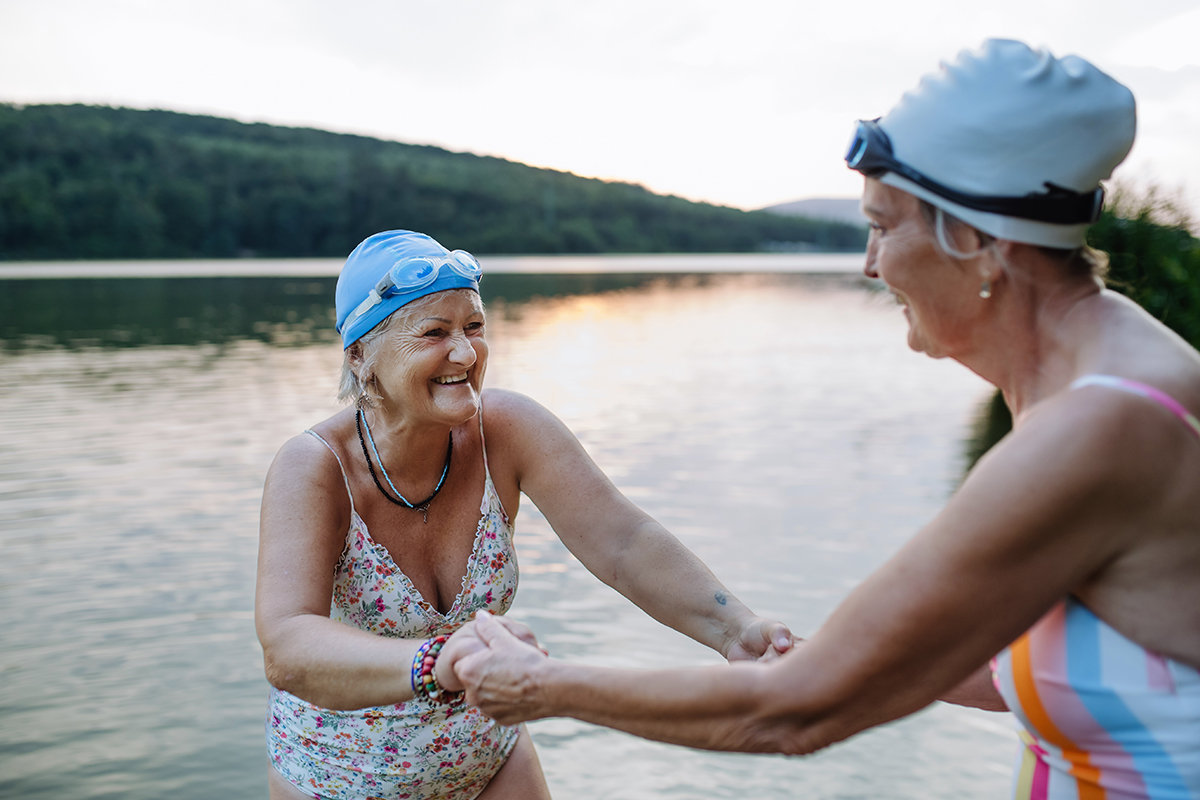
So, if you want to give cold water therapy a go, here are some things to consider:
- Check with your GP beforehand to make sure it’s safe for you to do.
- Make sure you’re not alone, and the water is safe – if outdoors, consider tides, currents, waves, underwater obstacles, pollution and jellyfish.
- Plan how you’re going to get in and out of the water safely
- Know how you’re going to get warm afterwards - make sure you have towels, dry clothes, windproofs, a hot drink and somewhere to shelter. Don’t drive or cycle until you have completely warmed up.
- Only stay in cold water for a short period of time, get out before you experience numbness, pain or shivering.
Tipton says, ‘Cold water therapy becomes safer with time, so I’m particularly concerned with people trying it for the first time. Start slowly, make sure you are in a group, and if you’re swimming stay parallel to the shore. Try a wetsuit initially and slowly extend your exposure time. If you’re taking a cold shower for the first time, make sure someone knows you’re in there,’ he adds.

The benefits of cold showers
If you don’t want to plunge in public, a cold shower could be a better option. While uncomfortable at first, many people report feeling more alert, focused, and resilient afterward. When practiced safely and gradually, cold showers can be a simple addition to a healthy routine.
- Increased alertness and focus
Cold water stimulates the nervous system, increasing heart rate, oxygen intake, and adrenaline. This response can reduce fatigue and sharpen concentration, making cold showers a popular morning reset.
- Improved circulation
Cold exposure causes blood vessels near the skin to constrict, directing blood to vital organs. As the body warms again, circulation improves, which may support cardiovascular function and leave the body feeling energised.
- Support for muscle recovery
Cold exposure is commonly used to help manage post-exercise soreness. While less intense than ice baths, cold showers may reduce inflammation and dull pain signals after physical activity.
- Gentler on skin and hair
Hot water can strip natural oils from the skin and scalp. Cooler water is less disruptive to the skin barrier and may help hair appear smoother and shinier, particularly for those with dry or sensitive skin.
- Immune system support
Some research suggests regular cold exposure may influence immune activity by improving circulation of white blood cells. Cold showers are not a substitute for medical care but may offer modest support alongside healthy habits.
- Improved stress tolerance
Cold water requires controlled breathing and mental focus. Over time, this may help the body adapt to stress more efficiently and improve emotional resilience.
- Mood-boosting effects
Cold exposure may stimulate the release of endorphins, which can improve mood and leave people feeling calmer and mentally refreshed.
- Metabolic health
Cold exposure activates brown fat, which helps generate heat. While the effect is modest, it may contribute to metabolic health when combined with regular physical activity.
- Time-efficient wellbeing habit
Cold showers require no equipment and little time. Even finishing a warm shower with 20–30 seconds of cool water may offer benefits.
How to start cold showers safely
- Start warm, finish cool
Begin with your normal warm shower, then switch to cool water for the final 15–30 seconds.
- Focus on breathing
Take slow, steady breaths to help your body adapt and prevent light-headedness.
- Increase gradually
Over time, you can extend the cool phase to 60 seconds or more, depending on comfort.
- Avoid icy temperatures
Cold does not need to mean freezing. Cool-to-cold water is sufficient for potential benefits.
- Stop if you feel unwell
Dizziness, chest discomfort, or numbness are signs to stop immediately.
Disclaimer: Cold showers aren’t suitable for everyone. People with heart conditions, circulation problems, or other medical concerns should consult a healthcare professional before trying cold exposure.
Read more:

